




|
|
|
|
|
|
|
|
|
|
||||||
|
|
|
|
|
|
|
|
|
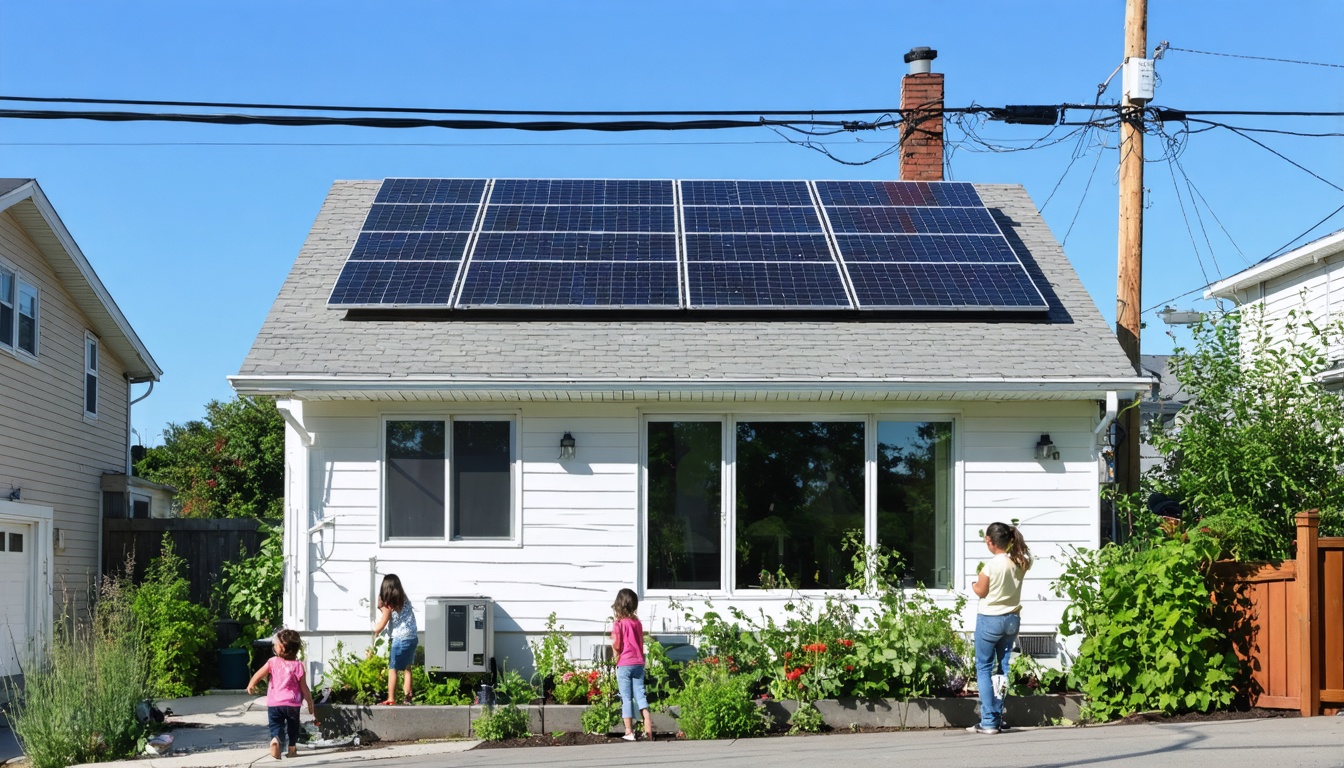 What a More Resilient Home Energy Plan Looks Like in Bridgeport, ConnecticutLiving in Bridgeport, Connecticut, residents are familiar with the challenges posed by unpredictable weather patterns and frequent power outages, which can significantly impact daily life. Developing a resilient home energy plan is essential not only for financial efficiency but also for ensuring comfort and reliability during adverse conditions. To create a more resilient energy strategy, homeowners should consider various energy options and backup solutions that are tailored to local conditions. These may include investing in energy-efficient appliances, implementing smart home technology, and exploring renewable energy sources such as solar panels. Additionally, it is prudent to assess the local utility infrastructure and its vulnerability to extreme weather events. Backup power solutions, such as generators or battery storage systems, can also enhance resilience. Evaluating the compatibility of these systems with your home’s energy needs is an important step. Moreover, maintaining an emergency kit and ensuring that communication plans are in place can further bolster preparedness. Homeowners may also benefit from consulting with local energy experts or organizations that specialize in energy resilience. Effective planning involves keeping informed about local regulations and available incentives for energy efficiency upgrades and renewable energy installations. By taking these informed steps, residents of Bridgeport can better prepare for future energy challenges and mitigate the impacts of power disruptions. Climate Risks and the Need for Energy ResilienceBridgeport's coastal location offers both aesthetic advantages and considerable vulnerabilities, particularly regarding severe flooding associated with significant storms such as Tropical Storm Irene and Hurricane Sandy. This reality emphasizes the necessity for a robust resilience strategy tailored to the specific land uses throughout the city, including areas from Black Rock to Cedar Creek. Priority measures should focus on reducing flood surges, improving stormwater infrastructure, and enhancing accessibility to community resources such as Seaside Village. Current plans for the area recommend implementing several essential measures, including the construction of stormwater retention basins, elevating critical egress routes, separating combined sewer systems, and revitalizing neighborhoods. An integrated approach that combines both structural improvements and nonstructural strategies is crucial for protecting residents, sustaining daily operations, and maintaining potential development opportunities that could be adversely affected by rising sea levels. By implementing these strategies, Bridgeport can strengthen its defenses against the growing risks associated with climate change, thereby ensuring that the city’s infrastructure and communities remain resilient in the face of future environmental challenges. Utility Microgrids and Localized Power GenerationEnhancing energy resilience in Bridgeport through the implementation of utility microgrids and localized power generation systems is a viable strategy. This approach aims to ensure that critical facilities—such as those in the Edge, Harbor, Creek, and Cedar areas—have a reliable power supply, particularly during adverse weather events that could include storm surges, heavy rainfall, and rising sea levels. The Area Plan outlines several nonstructural measures that can be incrementally implemented to improve stormwater infrastructure. These measures aim to protect regional power assets, especially in vulnerable areas like Seaside Village. The study area spans from downtown Bridgeport to Black Rock, with the goal of promoting equitable adaptation to environmental changes while also supporting community revitalization initiatives. Furthermore, the plan highlights the necessity of designing spaces that are elevated appropriately to ensure safety and accessibility during emergencies. For individuals seeking further information on ongoing developments in this area, a newsletter is available that details upcoming initiatives intended to enhance the quality of life for residents. Integrating Renewable Technologies in ResidencesIntegrating renewable technologies into residences in Bridgeport can improve energy efficiency and resilience. The implementation of solar panels, particularly through local providers like Bridgeport Solar Company, home battery systems, and geothermal heating and cooling can reduce reliance on the regional power grid, potentially resulting in cost savings for homeowners. These technologies may also play a role in neighborhood revitalization, particularly in areas like Black Rock, Edge, and Seaside Village. The Area Plan for Bridgeport suggests that incorporating stormwater management strategies, such as retention basins, alongside renewable technologies is essential in historic and coastal neighborhoods. This is particularly relevant considering the challenges associated with rising sea levels, as these systems can help mitigate flooding and manage stormwater more effectively. Residents can take advantage of various incentives to support the gradual integration of these technologies. These financial incentives can help offset initial costs and encourage more homeowners to adopt renewable systems. The overall effect is likely to enhance not only individual energy efficiency but also community resilience in the face of climate change. In conclusion, the integration of renewable technologies in residential settings is a practical approach that can contribute to sustainable development while addressing environmental challenges. Flood Protection and Energy System AdaptationFlood protection is a critical element of Bridgeport's strategy to maintain energy reliability in response to the growing frequency of storms. The Area Plan outlines a study area that extends from historic Edge to Harbor and Creek. Key proposals include the construction of flood walls, the elevation of essential corridors such as University Avenue, and the establishment of new stormwater management infrastructure. These initiatives aim to improve safety for residents, enhance accessibility, and contribute to the overall quality of life in neighborhoods such as Seaside and Black Rock. The plan places significant emphasis on the integration of power generation with water quality management. It advocates for a systematic and incremental adaptation approach that prioritizes equity. Both structural and non-structural measures are proposed to support revitalization in critical neighborhoods. These include solutions for stormwater storage and the separation of combined sewer systems, which are intended to effectively address environmental challenges. Overall, the plan seeks to build a resilient infrastructure that aligns with the community's long-term sustainability goals and enhances its capacity to respond to climate-related impacts. Retrofitting Homes for Climate ChallengesRetrofitting existing homes in Bridgeport is a critical response to increasing climate risks. One practical measure includes elevating essential infrastructure, such as electrical panels, to mitigate the impacts of storm surges and heavy rainfall. The Area Plan prioritizes the use of energy-efficient materials, the implementation of new stormwater management systems, and the expansion of renewable energy sources, particularly in historic neighborhoods near Seaside assets, Harbor, Creek, and Black Rock. A methodical approach is proposed to improve access to retention basins, egress routes, and community facilities, reinforcing revitalization efforts. These retrofit strategies aim not only to enable equitable adaptation to climate change but also to improve local water quality and promote sustainable neighborhood development in the context of rising sea levels. This approach emphasizes the necessity for coordinated initiatives to address climate impacts and enhance community resilience. Community Engagement and Equitable Energy SolutionsThe success of Bridgeport’s energy transition is closely tied to its capacity to incorporate the experiences and requirements of its residents into the planning and implementation processes. Effective energy resilience is grounded in substantial community engagement and the inclusion of varied perspectives, with particular emphasis on the needs of vulnerable and historically marginalized communities. The Area Plans for Edge, Harbor, and Black Rock propose an integrated approach to equitable adaptation. This approach encompasses localized power generation, enhancements to stormwater infrastructure, and neighborhood revitalization initiatives. These strategies aim to address the issues associated with rising sea levels and increased rainfall, and they are set to be executed in stages to promote long-term sustainability and effectiveness. Residents and stakeholders can access a newsletter that provides information about forthcoming projects, events, and participation opportunities. This resource is intended to foster continuous communication and involvement within the community. Long-Term Strategies for Bridgeport’s Sustainable GrowthTo improve the resilience of Bridgeport's energy infrastructure, it is necessary to focus on both immediate improvements and long-term strategic planning. Localized power generation can contribute to a more dependable energy supply, while a comprehensive approach to stormwater management in areas such as Edge, Harbor, and Creek is critical for effective resource use. The Area Plans propose substantial infrastructure modifications, including constructing levees and elevating escape routes, along with establishing critical facilities to mitigate flood risks. These initiatives aim to support neighborhood revitalization and enhance overall community safety. Additionally, the adoption of nonstructural flood management practices, the separation of sewers from stormwater systems, and the development of new stormwater storage solutions are essential for protecting the power supply and improving water quality in the region. Initial pilot projects in Seaside Village and Cedar are currently being implemented, serving as practical measures toward these goals. The successful integration of these projects is expected to have a positive impact on the coastal environment and contribute to the quality of life for Bridgeport residents. ConclusionA resilient home energy plan is essential for effectively addressing the climate and power challenges faced in Bridgeport, Connecticut. Investing in renewable energy sources, such as solar panels, can reduce reliance on traditional power grids, while energy efficiency upgrades—such as improved insulation and more efficient appliances—can lower energy consumption and costs. Preparedness for emergencies is also a critical component of home energy resilience. This may involve forming a plan for power outages, acquiring backup energy sources like generators, or participating in local energy programs that promote sustainability. Implementing these strategies not only benefits individual households by potentially lowering energy bills and enhancing comfort, but it also contributes to community resilience. A collective shift toward sustainable energy practices can facilitate a reduction in the overall carbon footprint of the area. Moreover, supportive local policies and programs can provide resources and incentives to encourage homeowners to adopt these measures. As such, integrating resilience into everyday life can lead to financial savings and a reduced environmental impact, thereby contributing to a more sustainable future for Bridgeport. |